The Gastric Sleeve
Be informed about what to expect, and don't be shocked when your doctor recommends surgery.

A Sleeve Is For Tightening
How It Can Use Within
Gastric Sleeve – Simple Guide to Weight‑Loss Surgery
Gastric sleeve surgery is one of the most common weight‑loss procedures. It reduces the size of the stomach, helping people feel full sooner and eat less. This page gives you a clear, beginner‑friendly overview of how the procedure works, who it is for, and what people typically expect during recovery.
SlimHub provides educational information only. This page is not medical advice.
What Is Gastric Sleeve Surgery?
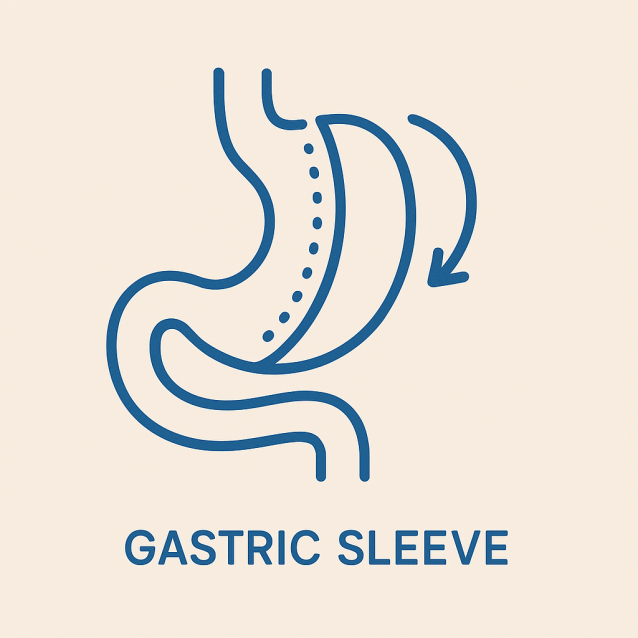
Gastric sleeve surgery (also called sleeve gastrectomy) removes a portion of the stomach, creating a smaller, sleeve‑shaped stomach.
This helps reduce appetite and supports long‑term weight loss.
People choose the gastric sleeve because it:
- limits how much food the stomach can hold
- reduces hunger hormones
- supports steady weight loss over time
- does not involve rerouting the intestines
It is a permanent procedure.
How the Procedure Works
During the surgery:
- the stomach is reshaped into a narrow tube
- about 70–80% of the stomach is removed
- digestion continues normally
- no foreign devices are implanted
The smaller stomach helps you feel full with less food, and many people experience reduced hunger.
Who the Gastric Sleeve Is For
Doctors may recommend the gastric sleeve for people who:
- have a high BMI
- have struggled with weight for many years
- have weight‑related health conditions
- have tried other methods without long‑term success
Only a licensed medical professional can determine eligibility.
Benefits of Gastric Sleeve Surgery
People often choose the gastric sleeve because it may:
- support significant weight loss
- reduce appetite
- improve energy levels
- help with conditions like high blood pressure or diabetes
- require fewer long‑term restrictions than other surgeries
Results vary from person to person.
Possible Risks and Considerations
Like any surgery, the gastric sleeve has risks. These may include:
- nausea or vomiting
- acid reflux
- nutrient deficiencies
- surgical complications
- changes in appetite or digestion
A healthcare provider can explain risks based on your personal health.
Recovery Overview
Recovery experiences vary, but many people:
- stay in the hospital for 1–2 days
- follow a liquid diet at first
- slowly reintroduce soft foods
- return to normal activities within a few weeks
- see weight changes over several months
Long‑term success depends on healthy habits and follow‑up care.
Gastric Sleeve vs. Other Options
Gastric Sleeve vs. Gastric Balloon
- Sleeve is surgical; balloon is non‑surgical
- Sleeve is permanent; balloon is temporary
- Sleeve typically leads to more weight loss
Gastric Sleeve vs. Gastric Band
- Sleeve removes part of the stomach; band adds a device
- Sleeve does not require adjustments
- Sleeve is more commonly used today
Is the Gastric Sleeve Right for You?
The gastric sleeve may be an option if you:
-
want a long‑term weight‑loss solution
-
prefer a procedure without intestinal rerouting
-
are ready for lifestyle changes
-
have medical guidance and support
Only a qualified healthcare provider can give personalized advice.
Disclaimer
SlimHub provides general health and nutrition information for educational purposes only. It is not medical advice and should not replace guidance from a licensed healthcare professional. Always consult a qualified provider before making changes to your diet, exercise routine, or health practices. SlimHub is not responsible for any actions, decisions, or outcomes based on the use of this content.
__________________
